
Amsterdam Canal Cruise: The Ultimate Guide to Amsterdam's Wheelchair-Friendly Canals
Explore Amsterdam without limits! Our ultimate guide covers the best wheelchair-accessible canal cruises, including boarding tips, accessible docks, and the top operators for a stress-free, inclusive experience on the water.
2/26/202613 min read
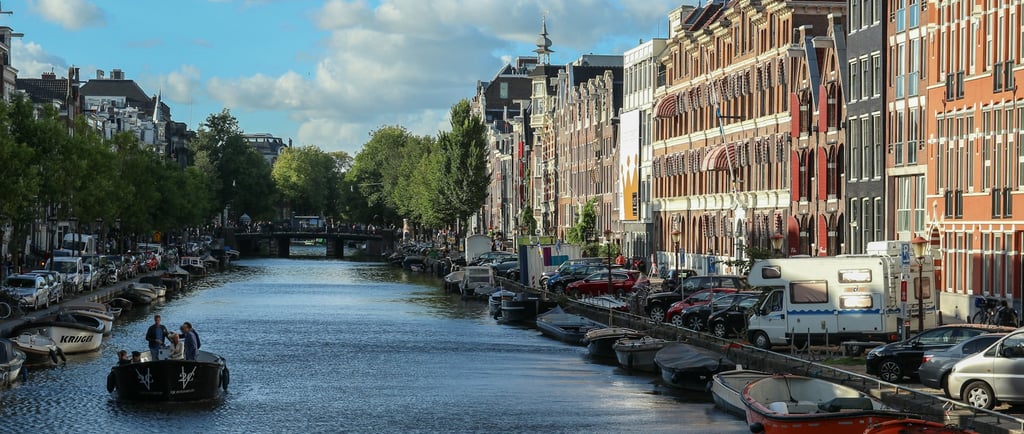
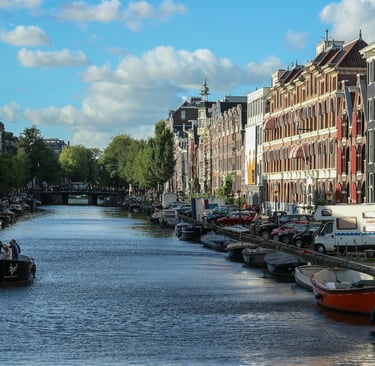
Amsterdam’s famous canals don’t have to be off-limits if you use a wheelchair. This guide helps wheelchair users and their companions discover Amsterdam through accessible canal experiences, making it easy to explore the city’s iconic waterways with confidence and comfort. Embark on your Amsterdam adventure as you explore the vibrant canals and accessible experiences the city has to offer.
Amsterdam’s canal network offers surprising accessibility options when you know where to look. Many tour operators now provide wheelchair-accessible boats, and several canal-side attractions have made significant improvements to welcome all visitors.
We’ll walk you through the best wheelchair-accessible canal tours and which operators truly deliver on their accessibility promises. You’ll also learn how to experience all the highlights of the city’s canals in a wheelchair-friendly way, and how to navigate popular canal-side spots like the Anne Frank House and Rijksmuseum without running into unexpected barriers. Plus, we’ll cover the most reliable transportation options to get you to canal access points smoothly, so you can focus on enjoying Amsterdam’s stunning waterways instead of worrying about logistics. Discover Amsterdam's charm as you take in the unique atmosphere and appeal of the city's picturesque canals.
Introduction to Amsterdam’s Canals
Amsterdam’s canals are the lifeblood of the city and a UNESCO World Heritage Site, drawing visitors from around the world to experience their timeless beauty. Winding through the heart of the Dutch capital, the famous canals—like Prinsengracht, Keizersgracht, and Herengracht—are lined with elegant canal houses, historic bridges, and lush gardens that tell the story of Amsterdam’s rich history.
A canal cruise in Amsterdam is more than just a boat tour; it’s an invitation to discover the city’s relaxed atmosphere and vibrant culture from a unique vantage point. With over 100 kilometers of waterways weaving through the city, every cruise offers a new perspective on Amsterdam’s architecture, daily life, and hidden corners. Whether you’re a history buff, an architecture enthusiast, or simply seeking an unforgettable experience, stepping aboard a boat to explore the canals is the perfect way to immerse yourself in the city’s charm. From the gentle sway of the boat to the stunning views of canal houses and gardens, a cruise along Amsterdam’s canals is a must for anyone wanting to truly experience this beautiful city.
Essential Accessibility Information for Amsterdam's Canal Network
Understanding Dutch accessibility standards and regulations
Amsterdam follows European Union accessibility guidelines along with specific Dutch regulations that make canal exploration surprisingly welcoming for wheelchair users. The Netherlands has some of the most progressive accessibility laws in Europe, requiring public transport and tourist facilities to meet strict barrier-free standards. Canal tour operators must provide wheelchair-accessible boats when booking 48 hours in advance, and many companies have invested in specialized vessels with hydraulic lifts and wide gangways.
The Dutch accessibility certification system uses clear symbols and ratings that help you identify truly accessible services versus those with limited accommodation. Look for the "Toegankelijk" (accessible) symbol on websites and promotional materials - this indicates full compliance with national standards. Most certified operators provide transfer assistance, accessible restrooms onboard, and designated wheelchair spaces with safety restraints.
Identifying barrier-free boarding points and accessible docks
Central Station is a major boarding location and serves as the primary accessible departure point for many Amsterdam canal cruises, featuring smooth concrete platforms and gentle ramps leading to multiple tour departure locations. The Damrak and Rokin areas also offer some of the best wheelchair access, with recently renovated docks that eliminate the traditional steep steps found at older canal-side locations.
Prince’s Canal near the Anne Frank House has two fully accessible boarding points with wide platforms and adjustable gangways. These locations feature tactile guidance strips and clear signage in multiple languages. The Museum Quarter boarding area provides excellent access with dedicated wheelchair parking spaces and covered waiting areas. Most canal cruise companies have multiple departure locations throughout the city for convenience, making it easy to find a suitable starting point close to major attractions.
Avoid the narrow boarding points along Herengracht’s historic sections, where centuries-old infrastructure creates challenging access. The floating platforms near Bloemenmarkt can be unstable and aren’t recommended for wheelchair users, despite their popularity among walking tourists.
Seasonal considerations affecting wheelchair navigation
Winter months bring unique challenges as canal-side paths become slippery and boarding platforms may ice over. Many tour operators reduce their accessible boat schedules between December and February, so advance booking becomes even more critical. Bad weather during these months makes covered or heated boats especially important for comfort and safety, ensuring that canal cruises remain enjoyable even in adverse conditions. The city installs temporary ramps and anti-slip surfaces during peak tourist seasons, but these aren’t always available during quieter winter periods.
Spring flooding occasionally affects dock accessibility, particularly in March and April when water levels rise. Check real-time water level reports on the city’s official website before heading out, as some lower docks become temporarily unusable.
Summer brings the best conditions for wheelchair navigation, with dry platforms and extended operating hours for accessible tours. However, increased tourist crowds can make boarding areas congested, so arriving 30 minutes early helps secure proper positioning and assistance.
Emergency protocols and safety measures for mobility-impaired visitors
All licensed canal tour operators maintain emergency evacuation plans specifically designed for passengers with mobility challenges. Boats carry inflatable evacuation slides and have crew members trained in wheelchair transfer techniques. Life jackets designed for wheelchair users are available upon request and should be requested during booking.
Emergency contact numbers include the Amsterdam Tourist Assistance hotline (020-625-3396) which provides 24/7 support in multiple languages. The city's emergency services coordinate with tour operators through a specialized maritime rescue protocol that prioritizes mobility-impaired passengers.
Canal tours carry emergency communication devices that connect directly to harbor patrol units stationed throughout the canal network. These patrol boats can provide rapid assistance and are equipped with wheelchair-accessible rescue equipment. Keep your mobile phone charged and save the emergency numbers in your device before departing.
Top Wheelchair-Accessible Canal Cruise Tours and Operators
Professional tour companies with certified accessible boats
Lovers Canal Cruises stands out as Amsterdam's most wheelchair-friendly tour operator, featuring specially designed boats with hydraulic lifts and dedicated wheelchair spaces. Their accessibility-certified vessels accommodate up to four wheelchairs simultaneously, with accessible restrooms and priority boarding for mobility-impaired passengers. Blue Boat Company offers similar accommodations across their fleet, with trained staff experienced in assisting passengers with various mobility needs.
Canal Company Amsterdam operates modern glass-topped boats equipped with ramps and secure wheelchair tie-downs. Their 75-minute comprehensive tours cover major attractions while maintaining comfort for all passengers. Book at least 48 hours in advance to guarantee accessible seating, and request ground-floor meeting points when making reservations.
Stromma Netherlands provides multilingual audio guides with induction loops for hearing aids, complementing their wheelchair-accessible vessels. Their hop-on-hop-off service includes accessible stops at Central Station, Rijksmuseum, and Anne Frank House, making it perfect for combining canal tours with sightseeing.
Self-guided canal routes with step-free access points
The Herengracht-Keizersgracht loop offers the most wheelchair-friendly self-guided experience, with multiple accessible boarding points along both canals. Start at Leidseplein's accessible dock, which features a gradual ramp and stable boarding platform. The route passes iconic 17th-century merchant houses and connects to Vondelpark's accessible entrances.
Nieuwmarkt serves as an excellent starting point for exploring the historic city center via accessible water taxis. The area features smooth pathways leading to canal-side boarding areas with minimal elevation changes. Regular water taxi services operate every 15 minutes during peak hours, with most vessels equipped with portable ramps.
The Jordaan district's western canals provide quieter alternatives with several accessible boarding locations near Noorderkerk and along Brouwersgracht. These areas feature recently renovated walkways with tactile paving and clear signage marking accessible routes to water level access points.
Private charter options for customized accessibility needs
Private charter companies like Amsterdam Canal Charter offer fully customizable experiences with specialized accessibility equipment. Their fleet includes boats with wheelchair lifts, adjustable seating, and climate control systems. Charters can be tailored to specific mobility requirements, dietary needs, and preferred tour durations ranging from one to four hours. Many private charters offer drinks, including soft drinks, unlimited drinks, or even one bottle of wine or beer as part of the experience.
Rederij Kooij provides intimate private tours for small groups, featuring boats specifically modified for wheelchair accessibility. Their experienced captains double as knowledgeable guides, sharing Amsterdam’s history while ensuring passenger safety and comfort. Advanced booking allows for specific accessibility requests, including boarding assistance and specialized equipment.
Canal Motorboats Amsterdam offers luxury private charters with panoramic windows and spacious interiors designed for wheelchair maneuverability. Their premium service includes professional photographers to capture memorable moments, refreshments served at wheelchair-accessible tables, and flexible itineraries accommodating rest stops at accessible canal-side cafes and museums. Many canal cruises in Amsterdam provide options for unlimited drinks and snacks during the tour, and specialty cruises include options for dinner, pizza, and themed experiences with food and drinks, as well as cheese and wine pairings. Some private charters can also include visits to a traditional cheese farm for live demonstrations and tastings.
Audio Commentary and Guides for Inclusive Experiences
To make every canal cruise in Amsterdam both enjoyable and informative, many operators provide audio commentary and guides in a variety of languages. As you glide through the canals, you’ll hear fascinating stories about the city’s history, architecture, and culture, as well as fun facts and insider tips that bring Amsterdam’s hidden gems to life. These audio guides are designed to be accessible for all, ensuring that every visitor—regardless of language or ability—can fully appreciate the city’s unique character.
Some cruises also feature live guides who are passionate local experts, ready to answer your questions and share personal anecdotes about the city. Whether you’re curious about the origins of the canal belt, the secrets behind the iconic canal houses, or the best places to eat along the water, these guides make your cruise a truly immersive experience. With engaging commentary and plenty of opportunities to discover Amsterdam’s lesser-known sights, you’ll leave your canal cruise with a deeper understanding of the city and plenty of stories to share.
Short and Sweet Cruises: Quick Accessible Options
If you’re short on time or simply want a brief introduction to Amsterdam’s canals, there are plenty of quick and accessible canal cruise options to choose from. These short and sweet cruises typically last around 1 hour, making them perfect for fitting into a busy itinerary or for those who prefer a shorter boat trip. Departing from convenient locations such as Amsterdam Central Station or near the Anne Frank House, these cruises are designed with accessibility in mind, ensuring easy boarding and comfortable seating for all passengers.
Whether you’re looking for a romantic evening cruise to see the city lights reflected on the water, or a daytime tour to catch all the highlights, these 1-hour cruises offer a memorable way to experience Amsterdam’s canals. With frequent departures throughout the day, you can easily find a time that suits your schedule and enjoy a relaxed, informative journey through the city’s most beautiful waterways. Step aboard for a quick yet unforgettable experience that showcases the best of Amsterdam’s canals, iconic sights, and vibrant city life.
Navigating Canal-Side Attractions Without Barriers
Public restroom facilities near major canal stops
Finding accessible restrooms while exploring Amsterdam's canals can make or break your day. The city has made significant improvements in recent years, though planning ahead remains essential.
At Centraal Station, you'll find fully accessible restrooms on the ground floor near the main entrance. These facilities include adult changing tables and are free to use. The Anne Frank House area has accessible toilets at the nearby Westerkerk, though they're only open during church hours. For the Museum Quarter, the Van Gogh Museum and Rijksmuseum both offer excellent accessible facilities that non-visitors can access by asking at reception.
Along the Prinsengracht, De Reiger café welcomes wheelchair users to use their accessible restroom even if you're not dining. The staff are particularly friendly about this arrangement. Near Nieuwmarkt, the public library branch has ground-floor accessible facilities that are clean and spacious.
Mobile apps like "Where Is Public Toilet" can help locate nearby options, though always call ahead to confirm accessibility features. Many restaurants and cafes along the canals will accommodate visitors who need restroom access, especially if you order a drink. Keep small change handy, as some public facilities charge €0.70.
Museums and cultural sites with wheelchair-friendly canal entrances
Amsterdam’s major museums have transformed their accessibility in the past decade, with several offering direct canal-level access that eliminates navigation challenges.
The Hermitage Amsterdam stands out with its completely flat entrance from the Amstel river side. You can arrive by accessible water taxi and roll directly into the museum without encountering a single step. Their elevators are spacious, and audio guides come with neck loops for hearing aid users. Most canal cruises in Amsterdam also provide live commentary or an audio guide to enhance the experience, often available in multiple languages and offering historical and fun facts about the city’s landmarks.
The Amsterdam Museum redesigned its entrance specifically with wheelchair users in mind. The new entrance connects seamlessly with the canal walkways, and their courtyard provides a peaceful rest area. Staff members are trained in accessibility assistance and can provide lightweight, portable stools for companions who need breaks during visits.
The Jewish Cultural Quarter offers exceptional accessibility across its four museums. The entrance from Mr. Visserplein provides step-free access, and their interconnected buildings mean you can visit multiple sites without navigating outdoor barriers. The Portuguese Synagogue includes tactile elements for visually impaired visitors alongside its wheelchair accessibility.
For smaller venues, the Amsterdam Pipe Museum and the Houseboat Museum both provide ramp access, though the Houseboat Museum’s narrow spaces might challenge some wheelchair users. Always check current accessibility status before visiting, as construction projects occasionally affect access routes.
Key landmarks seen on an amsterdam canal cruise include the Anne Frank House, Skinny Bridge, and Westerkerk. The Anne Frank House is where Anne Frank wrote her diary during WWII, and the Westerkerk is the city's highest church tower, frequently mentioned in historical narratives.
Accessible restaurants and cafes along waterways
Dining along Amsterdam's canals doesn't mean compromising on accessibility. Many establishments have upgraded their facilities and entrances to welcome all visitors.
Café de Reiger on Nieuwe Leliestraat offers step-free access through their side entrance and spacious seating areas. Their traditional Dutch menu includes clearly marked allergen information, and staff can easily accommodate dietary restrictions. The restaurant's accessible restroom and wide aisles make it comfortable for extended visits.
Restaurant Greetje near the Nieuwmarkt provides an exceptional fine dining experience with full accessibility. Their entrance ramp is permanent, not a removable addition, and tables can be easily rearranged for wheelchair access. The modern Dutch cuisine comes with detailed ingredient lists, and servers are knowledgeable about preparation methods.
Along the Herengracht, Café Americain in the American Hotel offers canal views with accessible seating. Their art nouveau interior includes wide spaces between tables, and their terrace has ramped access during warmer months. The elevator to upper floors works reliably, and accessible restrooms are spacious and well-maintained.
For casual dining, SLA locations throughout the canal district provide healthy, fast options with excellent accessibility. Their salad-focused menu clearly labels ingredients, and most locations have step-free entrances and accessible seating areas.
Shopping areas reachable via accessible canal routes
Amsterdam's shopping districts connect beautifully with accessible canal routes, making retail therapy both enjoyable and manageable.
The Nine Streets (De Negen Straatjes) area has improved significantly for wheelchair users. The main shopping streets - Reestraat, Hartenstraat, and Gasthuismolensteeg - feature smooth pavements and curb cuts at most intersections. Many boutiques have ramped entrances or step-free access, though some smaller shops remain challenging. The area connects directly with accessible canal walkways, and several shops offer delivery services to nearby hotels if carrying purchases becomes difficult.
Kalverstraat, Amsterdam's main pedestrian shopping street, provides excellent accessibility from canal entry points. Department stores like Bijenkorf and H&M have elevators, accessible fitting rooms, and helpful staff. The street's smooth surfaces and wide walkways accommodate wheelchairs easily, and rest areas with benches appear regularly.
The Jordaan district combines shopping with canal charm, though navigation requires more planning. The main shopping streets - Rozengracht and Westerstraat - offer the best accessibility, with most shops providing step-free or ramped access. Local shops often have narrower aisles, but owners typically assist with reaching items or maneuvering through tight spaces.
For covered shopping, Magna Plaza near Dam Square provides elevator access to all floors and accessible restrooms. The building's historic charm doesn't compromise its modern accessibility features, and its location connects easily with accessible canal routes.
Amsterdam's canals don't have to be off-limits just because you're using a wheelchair. With the right tour operators, accessible routes, and smart planning, you can enjoy the city's famous waterways just like anyone else. The key is knowing which companies offer wheelchair-friendly boats, how to get around the canal-side attractions safely, and where to find the accessible boarding points.
Your canal adventure starts with good preparation and the right resources. Book with operators who truly understand accessibility needs, check out the transportation options that work best for you, and don't hesitate to reach out to local disability services for extra support. Amsterdam wants all visitors to experience its beautiful canals, so take advantage of what's available and create those unforgettable memories on the water.
Environmental Impact of Canal Tourism
As you set sail on a canal cruise in Amsterdam, it’s worth considering the environmental footprint of your adventure. Amsterdam’s historic canals are not only a UNESCO World Heritage Site but also a delicate ecosystem that the city works hard to protect. In recent years, many canal tour operators have embraced sustainability, making it easier than ever to enjoy the city’s charm while treading lightly on the environment.
A growing number of canal cruises now use electric boats, which glide silently through the water without emitting harmful fumes. These eco-friendly vessels help preserve the air quality in the city center and reduce noise pollution, making your boat trip both relaxing and responsible. When booking your canal tour, look for operators that highlight their use of electric or hybrid boats—this small choice can make a big difference for Amsterdam’s canals and the communities that live along them.
Many companies also participate in local clean-up initiatives, ensuring that the beautiful city remains pristine for future generations. Some tours even offer educational commentary about the importance of protecting the canal belt and the Amstel river. The IJ river is another important waterway included in many canal cruise routes and environmental initiatives, further highlighting the city's commitment to preserving its scenic waterways. This gives you a deeper appreciation for Amsterdam’s history and its ongoing conservation efforts.
As a traveler, you can contribute by choosing tours that prioritize sustainability, bringing your own earphones for audio guides to reduce single-use plastics, and respecting the waterways by not littering. Supporting these green initiatives ensures that the ultimate Amsterdam experience remains unforgettable for everyone—today and tomorrow.
Engaging with Amsterdam’s Local Community
A canal cruise in Amsterdam isn’t just about seeing the famous sights—it’s also a unique opportunity to connect with the city’s vibrant local community. Amsterdam's canals were constructed during the 17th century, known as the Dutch Golden Age, and are lined with iconic landmarks such as the Anne Frank House and the Maritime Museum. As you glide past the golden bend, iconic canal houses, and hidden gems, you’ll discover that the real heart of Amsterdam lies in its people, their traditions, and the rich tapestry of Amsterdam's history woven into every waterway.
Many canal tours now feature knowledgeable skippers and local experts who share fun facts, insider tips, and stories about Amsterdam’s rich history. Houseboats along Amsterdam's canals provide colorful views and opportunities to spot wildlife like swans and herons, adding to the charm of your journey. Don’t hesitate to ask questions or chat with your guide—they often have recommendations for the best canal-side cafes, markets, and events that you won’t find in any travel guide.
To make your boat tour even more meaningful, consider supporting small businesses along the canals. From artisan cheese shops to independent galleries and cozy restaurants, these local spots offer authentic flavors and crafts that reflect the spirit of the Dutch capital. Some tours even include stops at family-run cheese farms or workshops, giving you a taste of the Dutch countryside without leaving the city.
If you’re visiting during the Amsterdam Light Festival or other community events, look for special cruises that highlight local art and culture. These experiences not only showcase the city’s creativity but also support artists and neighborhood initiatives.
By engaging with Amsterdam’s local community, you’ll turn your canal adventure into an unforgettable experience—one that goes beyond sightseeing and helps preserve the city’s unique character for future visitors.
Best Canal Cruises in Amsterdam
Explore Amsterdam’s beautiful canals with us.
© Grachtenfahrtamsterdam.com 2025. All rights reserved.
info@grachtenfahrtamsterdam.com
Discover the beauty of Amsterdam’s canals with our carefully curated selection of canal cruises. Enjoy exceptional service, high-quality experiences, and a smooth booking process with us.